Inflation is the bugbear of many Germans. But what actually is this inflation, and why is it important for stock prices? Inflation simply means currency devaluation. The inflation rate indicates by how much prices rise on average per year. And logically, pure money, such as cash or deposits in accounts without interest, loses value just as quickly, in terms of its purchasing power, as prices rise. After all, you can then buy less for the same money. The official inflation calculation has some questionable peculiarities, which we have examined in detail in the article on hedonic inflation calculation.
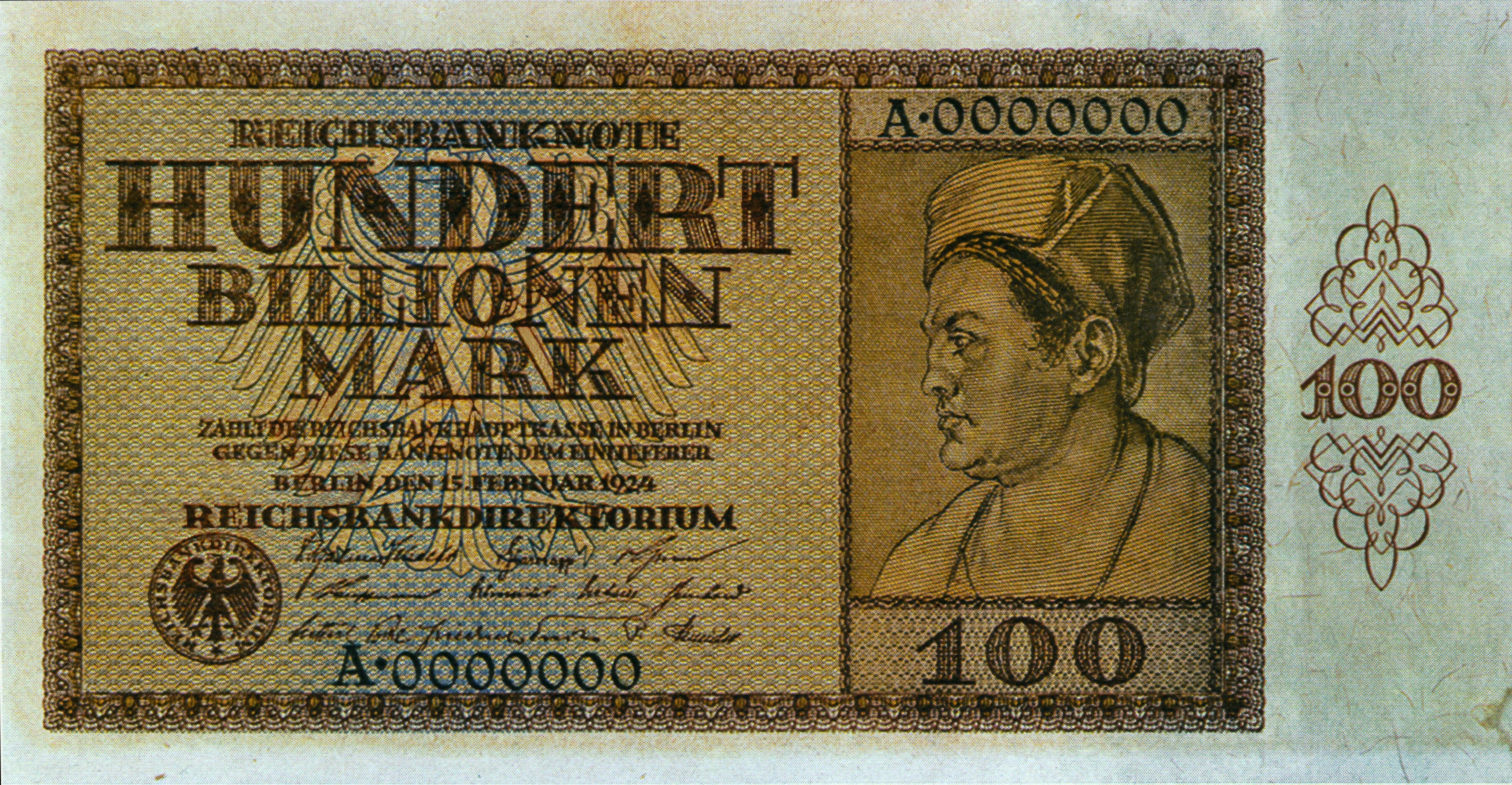
100 Trillion Image: Link
Ready for Better Investment Decisions?
Start your free trial today - stock analysis with artificial intelligence.
Full Transparency | Full Access | Cancel anytime
In extreme cases, inflation becomes so-called hyperinflation. In Germany, it occurred during the economic crisis between the First and Second World Wars. Hence the great societal fear of rising inflation. In the case of hyperinflation, money is devalued so rapidly that prices and wages have no opportunity to align with each other. Money then effectively loses its ability to be a means of payment and thus becomes worthless.
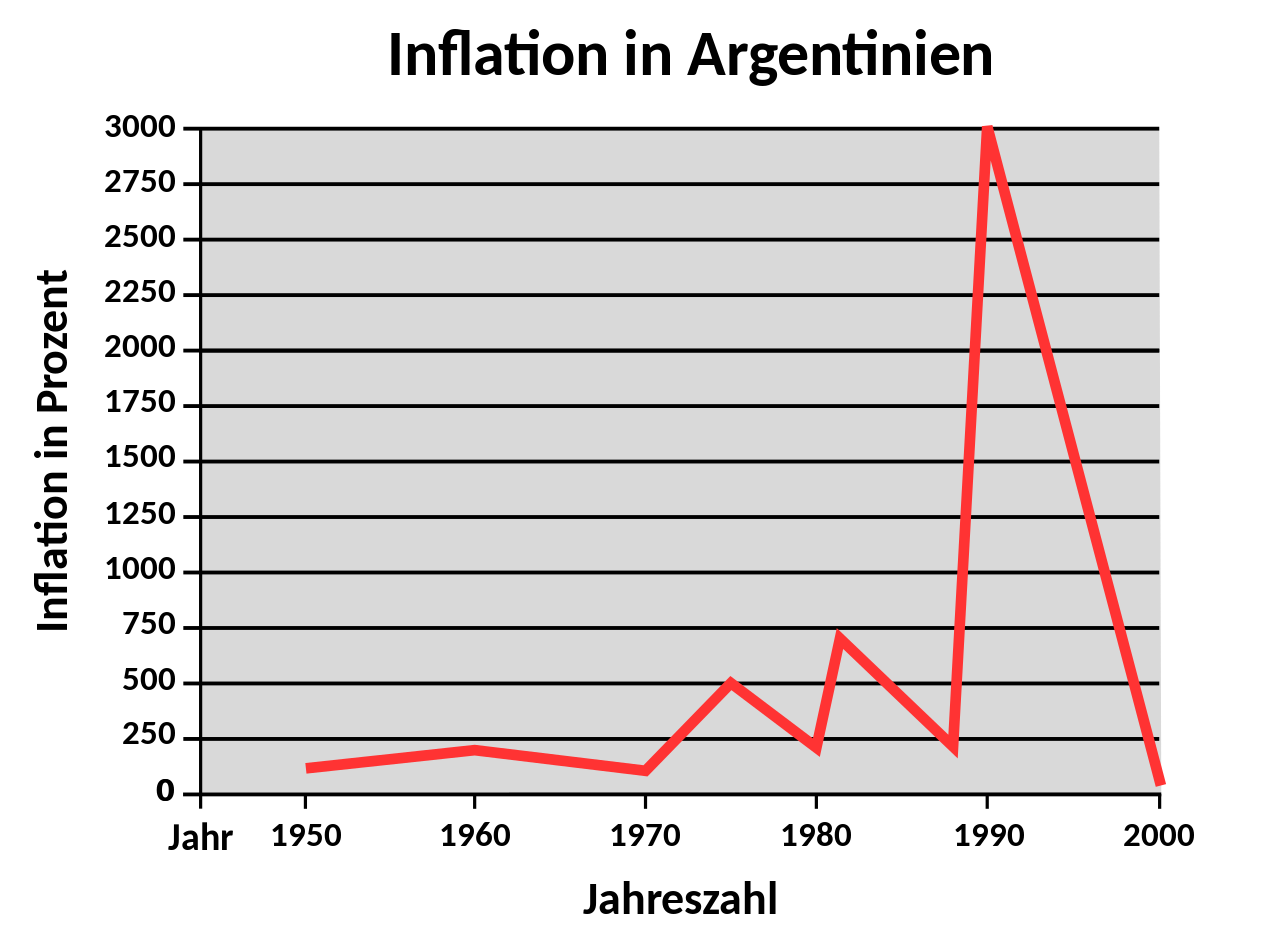
Turn 3000 € into 1 €. Hyperinflation in Argentina at the turn of the millennium. Image: CC BY-SA 4.0, Link
Ready for Better Investment Decisions?
Start your free trial today - stock analysis with artificial intelligence.
Full Transparency | Full Access | Cancel anytime
The fear of inflation is therefore quite justified. The classic hedge against inflation is tangible assets. From cigarettes to canned goods, to cars and real estate, everything here is a reasonable choice that has actual utility value. The classic gold is a special case that we will leave aside here. Another form of tangible assets is stocks. Unlike money, they are certificates of ownership of actual property, namely a share in a company. Their value changes with the value attributed to a company. And when money becomes less valuable and the company does not suffer from it, the stock price rises just as quickly as the money is devalued.
Now, strong inflation is not necessarily advantageous for every business. Particularly in its extremes, inflation rapidly destroys the purchasing power of consumers. Non-essential consumer goods are particularly affected by this. The faster you do without something when you have to tighten your belt, the more its producer will likely suffer under massive inflation. Conversely, manufacturers and distributors of basic goods such as food, beverages or even cigarettes are comparatively resistant to inflation, because they can pass on their increased production costs directly to consumers. The consumer has little choice but to buy food and drink anyway. Historically speaking, particularly in late stages of extreme inflation, the stock market has often risen immeasurably. Namely, when the population in full panic sought ways to save their last savings from final devaluation.
